
The_Mechanic
Newspeed
Honda Malaysia has completed its first self-funded solar power installation project at its vehicle assembly plant in Pegoh, Alor Gajah, Melaka. Officiated by Melaka Chief Minister Datuk Seri Utama Ab Rauf bin Yusoh, the RM14 million initiative equips the facility with rooftop solar panels and an industrial Battery Energy Storage System (BESS) as part of Honda's global roadmap toward carbon neutrality by 2050.

A key technical element of the project is the inclusion of a Battery Energy Storage System (BESS). Honda Malaysia is among the early industrial electricity consumers in the country to implement BESS alongside solar PV generation. The storage units capture excess solar energy generated during peak sunlight hours and dispatch it during high-demand assembly shifts or low-sunlight periods, stabilizing power input to the factory floor.
The project was realized with support from the Malaysian Government's Green Investment Tax Allowance (GITA) scheme, which provides tax relief for commercial green technology investments.

Project Specifications and Environmental Impact
| Parameter | Metric / Details |
| Total Investment | RM14 million (self-funded) |
| Location | Honda Malaysia Plant, Pegoh, Alor Gajah, Melaka |
| Solar Panel Count | Approximately 8,960 rooftop panels |
| Installed PV Capacity | Over 5.6 Megawatts (MW) |
| Annual Energy Output | Approximately 7,042 Megawatt-hours (MWh) |
| Annual Emissions Reduction | 4,584 tonnes CO2 (approx. 10% reduction in total plant emissions) |
| Energy Management | Integrated Battery Energy Storage System (BESS) |
| Sustainability Certification | COSIRI Rating: 3.07 stars |
Solar PV System and BESS Integration
The installation spans the rooftops of the Melaka manufacturing complex, utilizing roughly 8,960 photovoltaic (PV) panels. Producing 7,042 MWh of clean electricity annually, the setup offsets 10 percent of the facility's carbon footprint while reducing reliance on grid power during assembly operations.A key technical element of the project is the inclusion of a Battery Energy Storage System (BESS). Honda Malaysia is among the early industrial electricity consumers in the country to implement BESS alongside solar PV generation. The storage units capture excess solar energy generated during peak sunlight hours and dispatch it during high-demand assembly shifts or low-sunlight periods, stabilizing power input to the factory floor.
The project was realized with support from the Malaysian Government's Green Investment Tax Allowance (GITA) scheme, which provides tax relief for commercial green technology investments.
Local Automotive Industry Context
Honda's RM14 million project reflects an ongoing effort among automotive manufacturers in Malaysia to green their local manufacturing footprints:- Proton (Tanjung Malim): Operates the largest automotive solar facility in Malaysia with a 12 MWp system (comprising a 9 MWp bi-facial parking lot array and a 3 MWp rooftop setup) cutting roughly 11,500 tonnes of CO2 annually.
- Honda (Alor Gajah): While smaller in peak solar output (5.6 MW vs Proton's 12 MWp), Honda's plant differentiates itself by integrating a dedicated Battery Energy Storage System (BESS) to manage power intermittency and store peak capacity.
- Other Local Assemblies: Competitors including Perodua (Sungai Choh), Tan Chong Motor Assemblies (Serendah), and Stellantis (Gurun) have also implemented rooftop solar systems to meet corporate ESG benchmarks.
Governance Rating, Warehouse Expansion, and Retail Network
Coinciding with the operational launch, Honda Malaysia announced that its Melaka plant achieved a 3.07-star rating under the Climate and Sustainability Industry Readiness Index (COSIRI).Next Steps in Honda's Sustainability Roadmap:"The completion of this solar power project marks an important milestone in Honda Malaysia's sustainability journey," said Narushi Yazaki, Managing Director and Chief Executive Officer of Honda Malaysia. "Beyond reducing our environmental footprint, it reflects our commitment to responsible manufacturing and our aspiration to contribute towards a carbon-neutral future."
- 2027 Warehouse Expansion: Solar installations will be expanded to Honda Malaysia's Parts Supply Warehouse in Bukit Jelutong, Shah Alam, in 2027.
- Dealer Network Initiatives: Authorized dealerships are adopting localized environmental measures, including rainwater harvesting setups and standardized battery disposal systems.
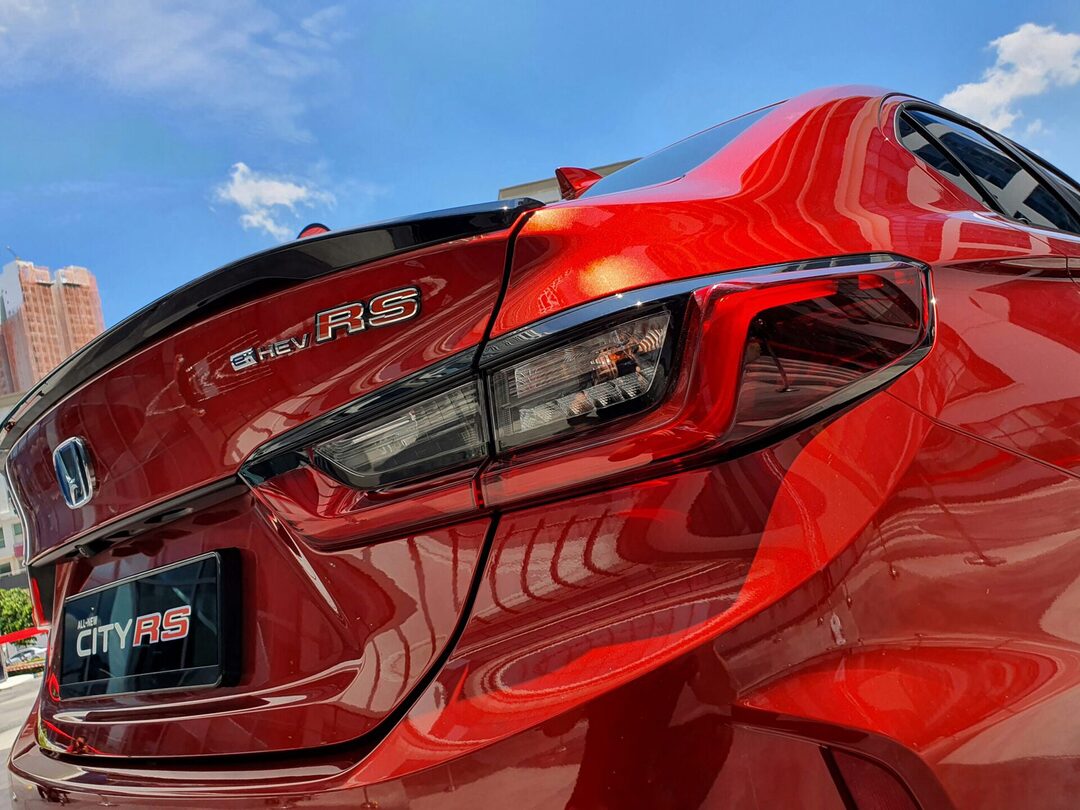
- Product Lineup Alignment: Factory decarbonization mirrors Honda's local retail transition toward electrified powertrains, supported by its expanding e:HEV hybrid lineup across the City, City Hatchback, Civic, HR-V, and CR-V models.